
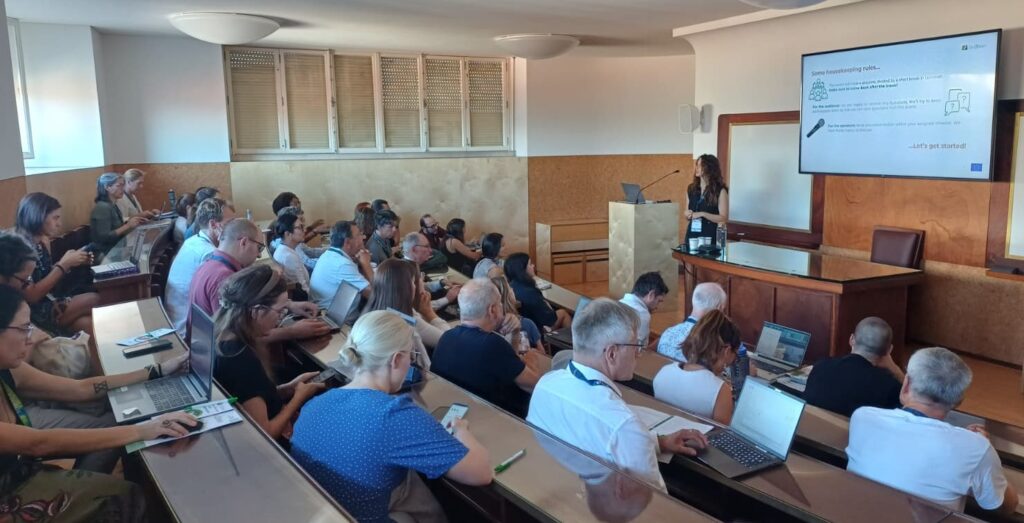
The BIN2BEAN project reached its final milestone on 10 September 2026 in Coimbra, Portugal, where the consortium gathered as part of the Soils4Europe Conference to present the project’s achievements and discuss the future of circular bio-waste management and soil health in Europe.
After three years of collaboration, research and co-creation, the final event brought together researchers, European projects, cities, Living Lab practitioners and other stakeholders to exchange experiences and reflect on how municipal bio-waste can be transformed into valuable resources for healthier soils and more circular cities.
The event was structured around four sessions, covering the main results of BIN2BEAN, the experiences of its Living Labs, approaches to soil health assessment, and the policy challenges and opportunities ahead.
From biowaste to soil improvers
The first session presented key results and innovations developed throughout the project, including the bio-waste management systems, the BIN2BEAN scoring system and the FarmMaps application. These tools and methodologies support the assessment and improvement of circular bio-waste management approaches, while strengthening the connection between bio-waste valorisation and soil health.
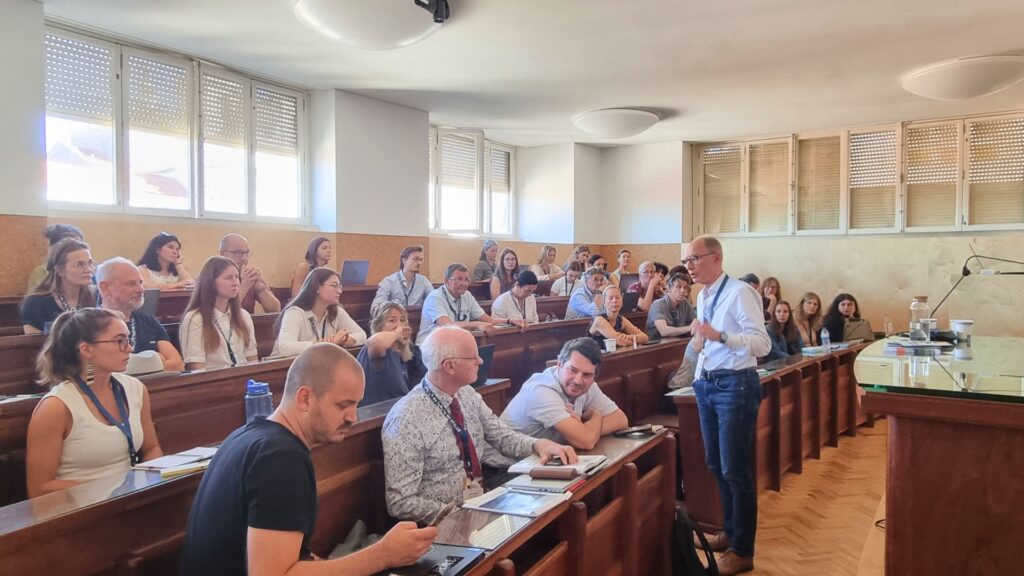
Lessons from the BIN2BEAN Living Labs
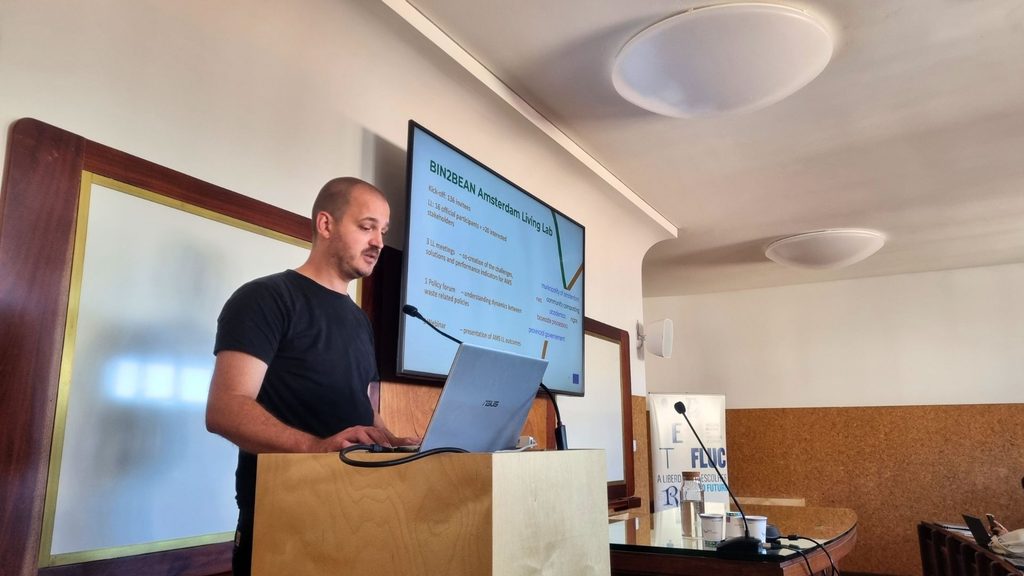
A dedicated session focused on the experiences of the three BIN2BEAN Living Labs in Amsterdam, Hamburg and Egaleo. The Living Labs provided practical insights into the implementation of circular bio-waste solutions in different urban contexts, highlighting the importance of local stakeholder engagement, experimentation and co-creation.
The session also explored the Plan-Do-Check-Act (PDCA) approach adopted within the project, illustrating how iterative processes can help cities test, evaluate and improve solutions for more sustainable bio-waste management.
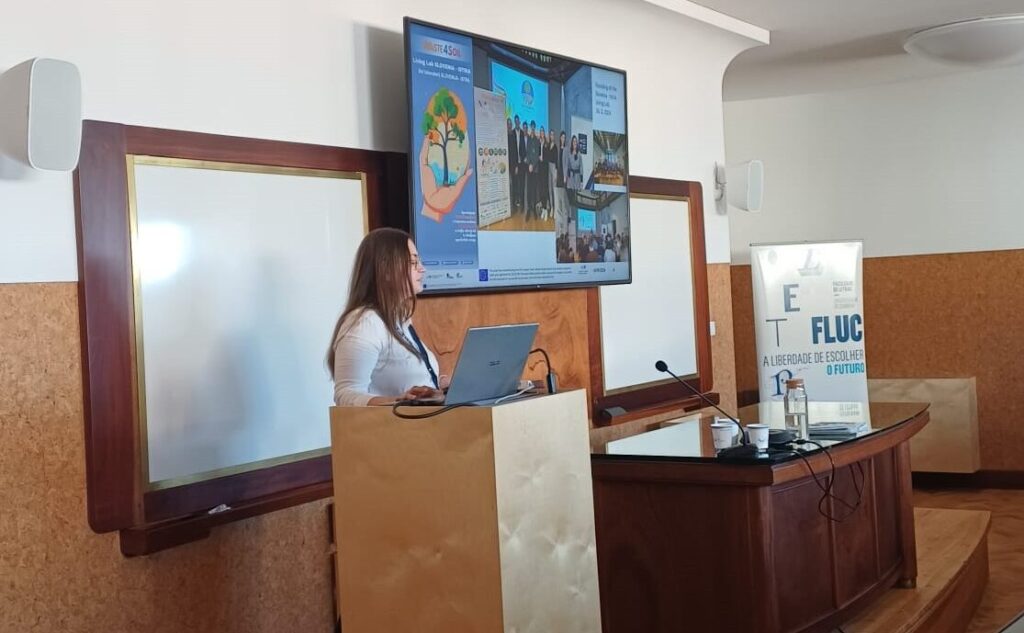
Contributions from the Waste4Soil Project and the Istria Living Lab broadened the discussion, allowing participants to compare experiences across different European initiatives and identify common challenges and opportunities for collaboration.
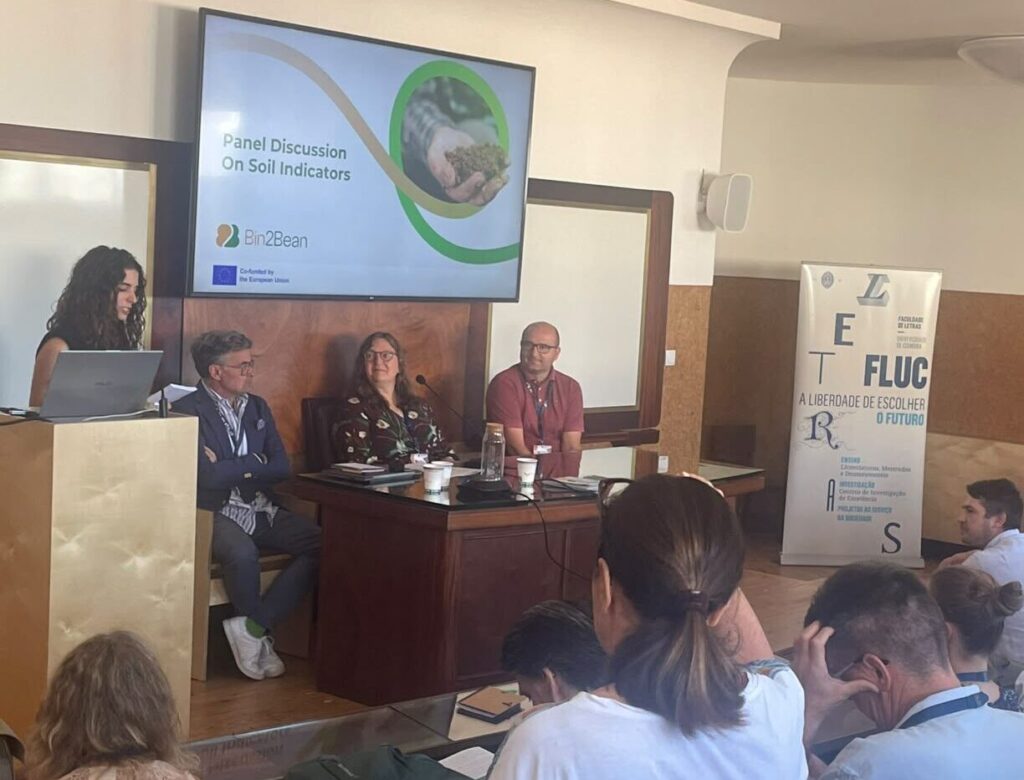
Measuring soil health
The third session turned the focus towards soil health indicators and assessment approaches. The discussion brought together perspectives from BIN2BEAN, the EU Soil Observatory and the DeliSoil project, exploring how soil health can be assessed and how appropriate indicators can support more informed decision-making and sustainable soil management.
The exchange also highlighted the importance of connecting research and monitoring approaches with the needs of practitioners and local stakeholders, ensuring that soil health assessment can contribute to concrete action on the ground.
Policies, barriers and solutions for the road ahead
The final session looked beyond the project and focused on the conditions needed to turn project results into lasting practices. BIN2BEAN’s policy recommendations were presented alongside perspectives from Waste4Soil on policy barriers and experiences related to urban policies.
The discussion provided an opportunity to reflect on the regulatory, organisational and practical challenges that can affect the uptake of circular bio-waste solutions, as well as on possible approaches to support their wider adoption and replication. An open Q&A with the audience further contributed to the exchange of views and experiences.
The event also benefited from contributions from European initiatives working on soil health, circular bioeconomy and sustainable resource management, strengthening connections between BIN2BEAN and the wider European Mission Soil community.
Looking beyond the project
The final event marked the conclusion of BIN2BEAN’s three-year journey, but also provided an opportunity to look ahead. The discussions in Coimbra demonstrated the value of connecting European research, local experimentation and policy development to address the challenges of bio-waste management and soil degradation.
Through its three Living Labs, BIN2BEAN has explored how different cities can valorise household and garden bio-waste and contribute to the production and use of valuable soil improvers. The experiences shared during the final event showed both the diversity of local contexts and the common challenges that need to be addressed to strengthen circular systems across Europe.
The consortium would like to thank all project partners, Living Lab participants, speakers, collaborating projects and stakeholders who contributed to the BIN2BEAN journey and to the final event in Coimbra.
From bio-waste management to healthier soils, BIN2BEAN closes its three-year project journey with a strong message: connecting knowledge, local action and European collaboration is essential to building more circular and resilient systems for the future.